DIY vs. Professional Fence Installation: Why Choosing an Expert Saves You Time and Money
As homeowners consider the decision of putting up a fence, they often weigh the pros and cons of doing it themselves versus bringing in an expert. While the attraction of reducing expenses via a do-it-yourself approach is tempting, the possible drawbacks can lead to increased costs and time. Seasoned professionals contribute knowledge and effectiveness, which can be vital in managing complex installation challenges. This raises an important question: What are the real benefits of opting for expert installation?
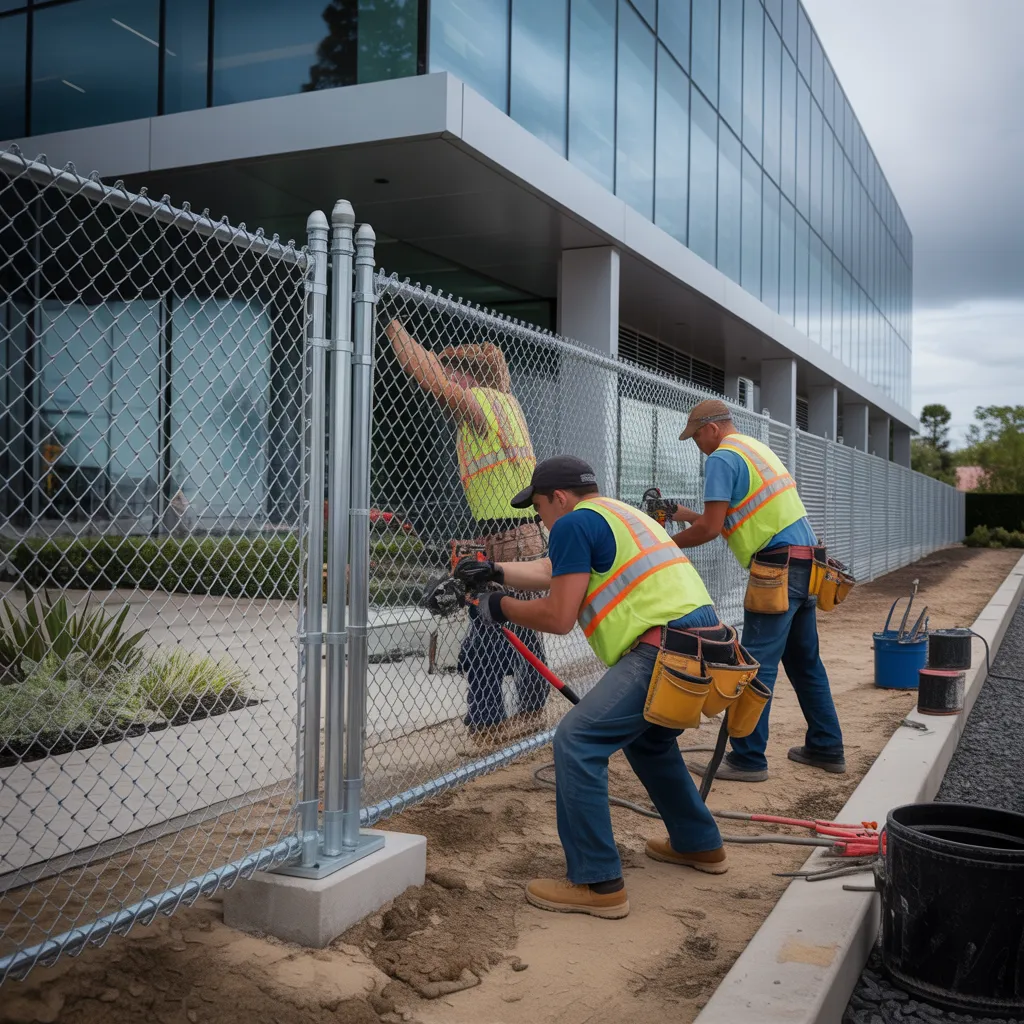
The Perks of Professional Fence Installation
While some homeowners may consider tackling fence installation on their own, the advantages of hiring professionals often outweigh the initial cost. Professional installers bring expertise that guarantees the fence is erected correctly and efficiently. They possess specialized tools and equipment, which minimizes the risk of errors and enhances overall quality. Additionally, their experience allows them to navigate challenges such as uneven terrain or local regulations, which can complicate DIY efforts.
Moreover, employing skilled contractors commonly delivers more efficient turnaround, releasing homeowners from the hassle of extended construction work. Professionals also provide assurances on their installations, offering peace of mind regarding lasting performance and care. This assurance can alleviate concerns about long-term issues that might arise from substandard construction. Ultimately, the key benefits of professional fencing services comprise quality craftsmanship, time savings, and long-term reliability, establishing it as a smart investment for most homeowners.
What Is the Cost of Professional Installation?
The price of expert fence installation can vary greatly based on several factors, including material choices, labor costs, and site conditions. Comprehending these considerations is essential for homeowners considering this option. Moreover, considering the long-term benefits can assist in determining whether the expenditure aligns with future goals and property improvement.
Key Factors That Influence Installation Cost
A variety of factors affect the overall cost of professional fencing installation, making it necessary for homeowners to understand what contributes to these costs. The choice of materials—such as wood, metal, or vinyl—significantly impacts the budget. In addition, the length and height of the fence play a vital role; bigger installations tend to cost more. Labor expenses also differ based on the difficulty of the project and regional labor rates. Ground conditions, such as landscape and access, can further affect costs, as extra tools or groundwork may be necessary. Lastly, any required permits or inspections must be considered, increasing the final price. Being aware of these factors enables homeowners to plan more effectively about their upcoming fencing installations.
Long-Term Value Factors
Understanding the costs associated with professional fence installation goes beyond the immediate expenditures. While the upfront fees may seem costlier compared to DIY choices, the long-term value often warrants the investment. Professionals bring expertise that ensures proper installation, which can decrease the demand for costly upkeep and repairs over time. Moreover, a properly installed fence can enhance real estate value and curb appeal, possibly producing a return on investment when listing a property for sale. The durability of contractor-installed materials commonly outperforms DIY options, reducing future expenses for replacement. In the end, engaging a professional can bring about substantial cost reductions and peace of mind, making the initial outlay worthwhile in the context of long-term benefits.
Typical Difficulties with DIY Fence Projects
Beginning a DIY fence project can rapidly expose a host of unanticipated challenges. Homeowners often fail to appreciate the complexity of careful planning, including boundary line reviews and acquiring the needed permits. Without a precise property survey, they face the danger of infringing on adjacent properties or disregarding local zoning laws.
In addition, identifying the correct materials and tools can be a difficult task. A lack of experience may lead to purchasing inadequate materials or miscalculating quantities, leading to unexpected expenses and setbacks. Using the correct installation methods is critical; misalignment or inadequate post depth can negatively impact the fence's overall strength and performance.
Beyond that, numerous DIY homeowners fail to account for weather-driven delays, which can disrupt the project timeline. Strenuous manual labor, such as boring post holes or managing weighty components, can also discourage even the most determined homeowners. These challenges highlight the complexities involved in DIY fence projects, encouraging many to appreciate the benefits of professional fencing services.
How Experts Save You Valuable Time
When looking into fence installation, experts provide considerable time efficiency compared to DIY efforts. Their proficiency in organizing and completing projects ensures faster completion and limits delays. This efficiency allows homeowners to appreciate their new fence without the extended wait commonly linked to self-installation.
Speedier Project Finalization
Bringing in professional installers accelerates the fence construction process considerably. Experts bring specialized tools and experience, permitting them to wrap up projects more efficiently than most do-it-yourself enthusiasts. Although a homeowner could spend days or even weeks completing the installation, experts typically complete the work in a matter of hours or days, based on the scope of the project. Their expertise with a range of materials and techniques empowers them to handle challenges efficiently, reducing setbacks. Furthermore, professional crews generally operate in a coordinated manner, distributing duties to maximize output. This not only hastens the installation but also lowers the risk of errors that could delay project completion. At the end of the day, employing professionals secures a timely finish, permitting homeowners to benefit from their new fence in less time.
Professional Planning and Implementation
While many homeowners may underestimate the importance of thorough planning, experienced installers understand that detailed preparation is essential to a successful fencing project. Experts begin with a detailed assessment of the site, taking into account elements such as landscape, ground composition, and municipal guidelines. This all-encompassing approach guarantees that all necessary materials are acquired and that the design aligns with the homeowner's vision while adhering to legal requirements.
Additionally, experts employ sophisticated techniques and tools, streamlining the installation process. Their knowledge empowers them to predict potential complications and tackle them ahead of time, minimizing setbacks. By managing timelines and coordinating labor effectively, professionals not only save time but explore article also minimize costly mistakes that may stem from insufficient preparation. At its core, professional planning and implementation result in a seamless, more effective installation.
How Professionals Navigate Local Regulations
Maneuvering local rules and regulations can be an intimidating task for property owners, but professionals excel in this area. Skilled fence installation specialists have comprehensive knowledge of building codes, zoning laws, and permit regulations unique to each area. They keep up with regulatory changes, ensuring compliance that DIYers might overlook.
In addition, skilled contractors commonly hold well-developed ties with local governing bodies, which can speed up the licensing procedure. This familiarity enables them to navigate any likely hurdles in a timely manner, decreasing slowdowns that could stem from a lack of clarity about regional guidelines.
Furthermore, experts can help homeowners choose the right materials and designs that meet local guidelines, reducing the likelihood of future penalties or required changes. By drawing on their experience, experts simplify the installation process, saving homeowners from the stress and potential pitfalls of regulatory compliance. In the end, working with a professional not only ensures compliance with legal requirements but also improves the overall effectiveness of the project.
How Professional Installation Guarantees Quality and Durability
Navigating local regulations is just one component of ensuring a effective fence installation; the level of expertise plays a significant role in the fence's lasting performance. Professionals bring a breadth of knowledge, applying techniques that ascertain accurate depth, alignment, and stability of fence posts. Their knowledge reduces typical installation challenges, such as shifting or tilting, which can weaken a fence's structural soundness over time.
Furthermore, professional installers employ superior materials, understanding the complexities of diverse fence varieties and how they react to environmental factors. This expertise helps prevent premature breakdown and wear, maximizing the durability of the fencing system.
In addition, professional installation commonly features appropriate finishing and sealing methods that improve resistance to weather. Through selecting professional installation services, homeowners can rest assured that their fence installation will not only fulfill cosmetic standards but also last for many years, offering peace of mind and decreasing the requirement for repeated repairs.
Long-Lasting Value of Expert Fence Installation
Investing in professional fence installation provides substantial long-term value that generally exceeds the initial investment. Skilled professionals offer expertise, ensuring the fence is installed correctly, which decreases the risk of future repairs. A properly installed fence is able to endure environmental pressures, significantly prolonging its lifespan in contrast to self-installation efforts that could undermine structural integrity.
Furthermore, hiring an expert commonly boosts the worth of your property. A expertly installed fence not only elevates the visual appeal but also strengthens street appeal, rendering the property more desirable to interested buyers. This proves especially valuable in housing markets where initial impressions carry great weight.
In addition, skilled contractors frequently offer warranty coverage, giving peace of mind that do-it-yourself projects usually cannot provide. This safeguard against defects or damage helps homeowners avoid unforeseen expenses in the future. Overall, the prolonged commitment in certified installation work proves beneficial, financially as well as in terms of upholding the structural integrity of a home.

Commonly Asked Questions
Can I Install a Fence Myself if I Lack Experience?
Yes, you can set up a fence without prior experience, but it might create problems and setbacks. Preparation, research, and patience are necessary, though consulting a professional can ensure a more successful and efficient end result.
What Tools Do You Need for DIY Fence Installation?
When installing a fence, essential tools include a level, post hole digger, measuring tape, saw, hammer, concrete mix, fence panels, and safety equipment. Having these tools ensures a correct installation while improving efficiency throughout the project.
How Can I Select the Best Fence Material?
Picking the right fence material requires evaluating durability, maintenance, aesthetics, and budget. Typical selections consist of wood, vinyl, metal, and composite. Assessing each material's advantages and disadvantages helps in making an educated decision that addresses specific needs.
What Maintenance Is Required for Fences After Installation?
Fences demand consistent care, such as cleaning, checking for damage, and using protective coatings. Wood fences are improved by sealing and staining, while metal varieties might need anti-rust treatment. Routine care increases longevity and sustains appearance.
How Can I Ensure My Fence Is Level and Straight?
To ensure a fence remains level and straight, it is recommended to use a long level or guide string as a guide. Consistently check alignment throughout installation, adjusting posts as necessary to maintain consistency throughout the process.